Home / Services / Therapy for Postpartum Depression
Postpartum & new parents
Therapy for Postpartum Depression
Becoming a parent is a transition like no other. If the weeks and months after birth feel heavier than you expected, you're not alone, and support can help.
More than the baby blues
Postpartum depression and anxiety can show up as persistent sadness, worry, irritability, unwanted intrusive thoughts, trouble sleeping even when the baby sleeps, or feeling disconnected from yourself or your baby. These experiences are common and treatable.
Therapy gives you a place to be honest about how you're really doing, without judgment. Together we work on coping skills, self-compassion, sleep and support, and the identity shifts that come with parenthood.
How we help
- Postpartum depression and anxiety
- Adjusting to new roles and identity
- Relationship strain after a new baby
- Perfectionism and "should" statements about parenting
- Returning to work and balancing care
Your postpartum therapists
Dr. Raquel Henry and Dr. Danielle Kassouf both specialize in postpartum mental health. Dr. Henry offers in-person sessions in Marin County and online therapy in California and New York. Dr. Kassouf sees clients in person at the North Berkeley/Kensington office and online in California, Florida, Hawaii and Virginia.
Intrusive thoughts are common, and you can talk about them
Many new parents have sudden, unwanted thoughts or images of something bad happening to their baby, sometimes even of causing harm themselves. These thoughts are usually upsetting precisely because they go against what you want. On their own, they are not a sign that you will act on them. They can be part of postpartum anxiety or perinatal OCD, which are treatable.
You can bring these thoughts to therapy. Your clinician will listen respectfully and without judgment, ask questions to understand what you're experiencing, and talk with you about what kind of support fits.
When to get help right away
Get emergency help right away if you have any intent or plan to harm yourself or your baby, or feel you can't keep yourself or your baby safe. Also get help right away for a sudden, marked change in mental state, such as confusion, seeing or hearing things others don't, beliefs that feel strange or frightening, escalating agitation, or unusually high energy with little need for sleep. There is no waiting period: you don't need to wait for symptoms to last. Postpartum psychosis is rare, but it is a psychiatric emergency that needs immediate treatment. (Being exhausted because a baby keeps you up is common and different; it's still worth talking about, but it isn't the same as suddenly needing little sleep alongside other changes.)
In an emergency, call 911 or go to the nearest emergency room. For other urgent support, call or text 988 or the National Maternal Mental Health Hotline, available 24/7 at 1-833-TLC-MAMA (1-833-852-6262).
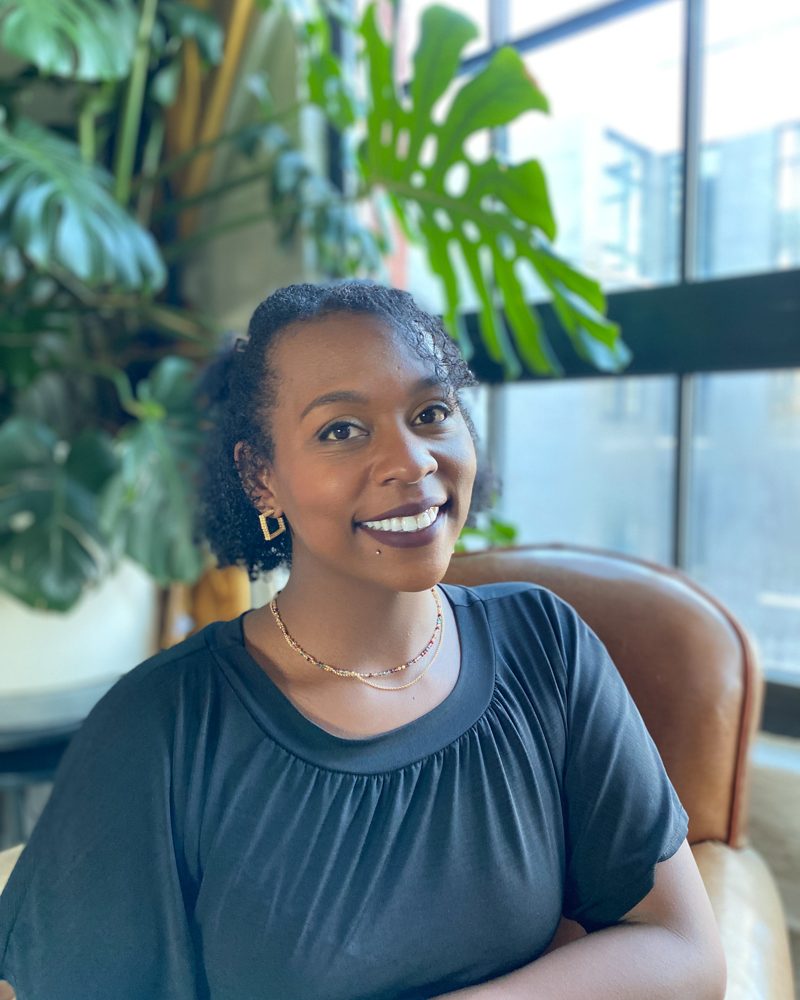
Clinicians who offer postpartum depression therapy

Where we offer postpartum depression therapy
In person
- Postpartum depression therapy in Berkeley
- Postpartum depression therapy in Kensington
- Postpartum depression therapy in the East Bay
- Postpartum depression therapy in Marin
Online
- Online postpartum depression therapy in California
- Online postpartum depression therapy in New York
- Online postpartum depression therapy in Florida
- Online postpartum depression therapy in Virginia
- Online postpartum depression therapy in Hawaii
San Francisco residents can meet online or in person in the East Bay or Marin; in-person sessions in San Francisco are coming soon.
Related reading
Questions about postpartum depression therapy
Can I bring my baby to sessions?
It depends on your clinician and where you meet, so ask during your free consultation. With online sessions you can join from home with your baby nearby, which many parents find easiest in the early months.
Is postpartum therapy covered by insurance?
All clinicians are in network with Curative and bill UC Berkeley SHIP at in-network rates; copays can be as low as $0 to $15 per session, depending on your plan. Other PPO plans may reimburse out of network.
Where is postpartum therapy offered?
In person in Berkeley, Kensington and Marin, and online in California, New York, Florida, Hawaii and Virginia.
Schedule your free consultation
Book in real time with any available clinician in the collective.